


Your cart is empty

heals editorial team, 07-03-2025
All authors
Detoxification and Probiotics: Their Importance for Gut Health
The gut, a vital organ of the body, needs balance to function properly. Probiotics strengthen the intestinal flora, improve digestion and remove toxins, providing well-being. Let's see why!
Table of Contents
- 1. What is detoxification?
- 2. What are probiotics and where are they found?
- 3. How probiotics help with detoxification
- 4. When should we not take probiotics?
- 5. Conclusion
- 6. Frequently Asked Questions about Probiotics and Their Action in Detoxification
What is detoxification?
Detoxification is the process that helps us eliminate toxins from our bodies. Toxins can be found in our bodies for various reasons, the most important of which is diet. The human body has mechanisms to eliminate toxins through the kidneys, liver, skin and digestive system, as they cause a series of unwanted symptoms, such as bloating , intestinal dysfunction, fatigue, and even acne.
Detoxification is therefore essential for the body, in order to reduce inflammation in the intestinal tract and restore the health and normal functioning of the intestine. Probiotics play a key role in the detoxification process, whether those that are naturally present in the body or from dietary supplements.
What are probiotics and where are they found?
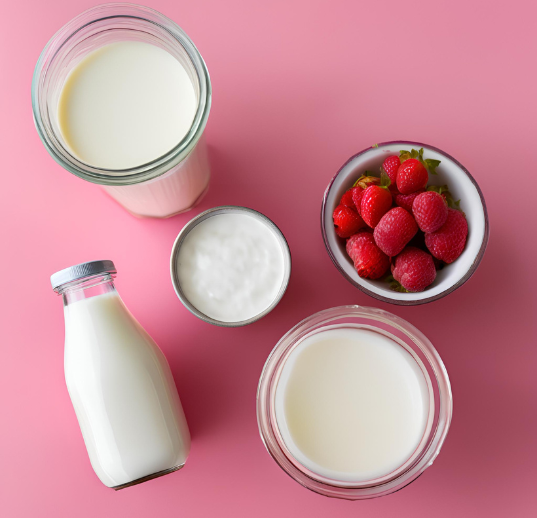
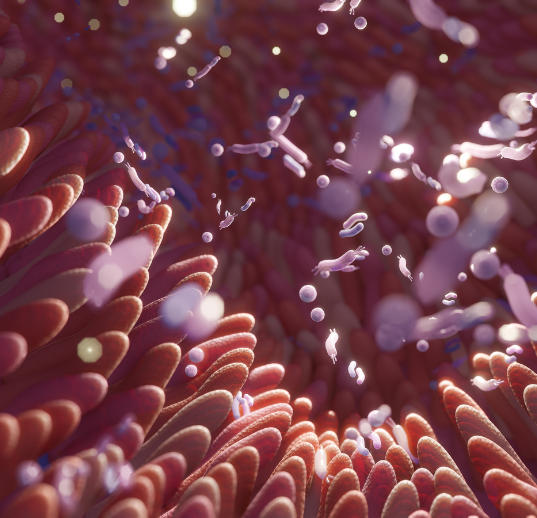
The probiotics are microorganisms (bacteria or yeasts) some strains of which are found in the intestine and are part of the normal microflora of the area, having as a main role to balance the bacteria of the intestine. Some strains of probiotics, such as lactobacillus, bifidobacteria, enterococcus and streptococcus, are found in the small intestine, while other strains, such as bifidobacteria, lactobacillus, clostridia and enterococcus, are found in the large intestine.
We can obtain probiotics through our diet, as they are rich in foods such as:
Yogurt : mainly in sheep's and goat's yogurt that are consumed with the skin.
Kefir: Richer in probiotics than yogurt
Sour milk: Dairy product derived from the fermentation of milk, usually cow's, sheep's or goat's milk.
Pickling : Placing vegetables in brine or vinegar helps the growth of beneficial microorganisms.
Kombucha tea : It is a fermentation product with strong antioxidant activity that also helps boost the immune system.
How probiotics help with detoxification
Probiotics have the ability to adhere to the mucosa and strengthen the intestinal epithelial barrier, secrete antimicrobial substances and regulate the immune system. During their digestion, certain substances are produced that contribute to the detoxification of the body and the protection of the intestinal wall. These substances are:
Short-chain fatty acids (SCFAs)
They are produced by the digestion of plant fibers and keep the intestinal tract intact. wall, help the immune system function, remove toxic substances from the body and have anti-inflammatory effects. Probiotics can help in the digestion of plant fibers, which are the main substrate for the production of SCFAs.
Proteins and peptides
They have antibacterial and protective effects as they strengthen the body's defenses against harmful pathogenic microorganisms and toxins.
They contribute to the neutralization of free radicals that cause damage to the body's tissues and cells, helping the body reduce damage from oxidative stress and enhance the detoxification process.
B vitamins
The presence of B vitamins, such as B6, B12 and folic acid, enhances the metabolism of toxic substances as well as the function of the liver, the main organ that carries out detoxification processes.
This reduces the less desirable, but also harmful bacteria in our body. With these mechanisms, probiotics:
- restore the intestinal microflora,
- relieve digestive disorders of the intestine (bloating, constipation, diarrhea), while at the same time
- They facilitate the absorption of vitamins and nutrients we get from food.
When should we not take probiotics?
Probiotics are live microorganisms that can provide health benefits, particularly for the digestive system. However, there are some situations in which taking probiotics is not recommended or should be done with caution:
- Weakened immune system: People with serious health problems, such as HIV/AIDS, cancer or other diseases that weaken the immune system, should consult their doctor before taking probiotics. In these cases, there is an increased risk of infection from the bacteria in the probiotics.
- Recent surgery: Taking probiotics after surgery, especially abdominal surgery, may increase the risk of infection.
- Leaky Gut Syndrome: According to some studies, probiotics should not be taken when there is leaky gut syndrome, as it may worsen the condition.
- Allergies: People with allergies to specific bacteria or ingredients in probiotics should avoid taking them.
- Taking antibiotics: Although probiotics are often recommended during or after antibiotic treatment, it is important to take them at a different time than antibiotics, as antibiotics can kill the probiotic bacteria.
Conclusion
For the smooth functioning of the digestive and gastrointestinal system and the restoration of our body to good functioning, especially after periods of celebration and "overindulgence", taking probiotics is imperative.
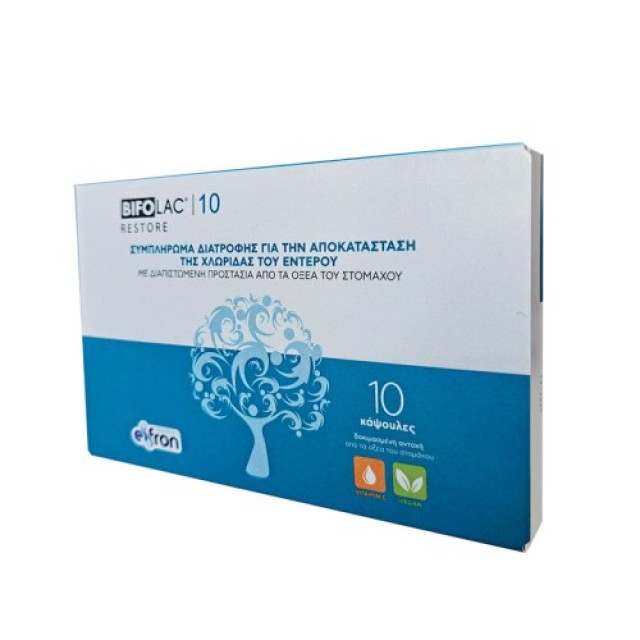
Heals suggests:


Frequently Asked Questions about Probiotics and Their Action in Detoxification
When should we not take probiotics?
Taking probiotics is not recommended in cases of a weakened immune system, recent surgery, leaky gut syndrome, allergies to specific bacteria, or when taking antibiotics without medical guidance.
How long should we take probiotics?
The duration of taking probiotics depends on the reason for using them. For general intestinal health, they can be taken daily for a long time. If taken due to antibiotics, it is recommended to continue for at least 2 weeks after the end of treatment.What are probiotics?
Probiotics are live microorganisms, such as bacteria and yeasts, that benefit gut health. They help maintain a balance of intestinal microflora and support the immune system.
What foods contain probiotics?
Probiotics are found in foods such as yogurt, kefir, sour milk, pickles, kombucha tea, and other fermented products.How do probiotics help with detoxification?
Probiotics contribute to detoxification by strengthening the intestinal barrier, producing antioxidants and short-chain fatty acids, which remove toxins and support the immune system.
Can I take probiotics with antibiotics?
Yes, but it is recommended to take them at a different time from antibiotics, e.g. 2-3 hours apart, to maintain the effectiveness of probiotics.
Are there any side effects from taking probiotics?
Side effects are rare but may include bloating or mild gastrointestinal discomfort, especially in the first few days of use. In people with a weak immune system, the risk of infection may be increased.
