

Your cart is empty

heals editorial team, 02-12-2024
All authors
How Omega-3 Fatty Acids Help Heart Health
“Fat? No, thanks!” That’s the reaction of most of us when we hear that word. And yet, there is a category of fats that not only shouldn’t be avoided, but are actually essential for our health. We’re talking about omega-3 fatty acids , the “super fats” that can do wonders for the heart, brain, and more.
Table of Contents
- 1. What are omega-3 fatty acids?
- 2. How they support heart health
- 3. Where do we find omega-3 fatty acids?
- 4. Who can take omega-3?
- 5. Do they have side effects?
- 6. Conclusion
What are omega-3 fatty acids?
Omega -3 fatty acids are a type of "good" fat that our body cannot produce on its own and therefore must be obtained through diet. Omega-3 fatty acids are a class of polyunsaturated fatty acids, essential for the proper functioning of the body. Fatty acids are the building blocks of lipids , a large group of organic compounds that include oils and fats.
Their contribution to heart health is remarkable, as a significant percentage of the population suffers from heart disease. According to the World Health Organization, 40% of deaths are related to heart disease. The rates are increasing especially in patients suffering from obesity, hypertension and diabetes.
Fatty acids are divided into saturated and unsaturated with the unsaturates further distributed to polyunsaturated and monounsaturated. They are chemical molecules that have a chain of carbon atoms and hydrogen and oxygen atoms attached to it. The Saturated fats are blamed for heart disease and strokes episodes. On the contrary, the unsaturated fats contribute to smooth functioning of the heart and polyunsaturated are the healthiest alternatives.

Omega -3 fats play a crucial role in the smooth functioning of all cells in the body. They are a key component of cell membranes and contribute to their structure, function and interaction. They accumulate mainly in the cells of the eyes and brain, while they are a source of energy for many systems of the body, such as the cardiovascular and endocrine systems. They are divided into the following three categories:
EPA (eicosapentaenoic acid) found in fish
DHA (docosahexaenoic acid) found in fish
ALA (alpha-linolenic acid) found in plants (oils)
How they support heart health
The effect of omega-3 fats on heart health occurs through multiple mechanisms of action. Research has shown that they reduce triglyceride levels and increase "good" cholesterol . Specifically:
- They promote the intracellular catabolism of apolipoprotein B-100,
- They stimulate plasma triglyceride clearance via lipoprotein lipase, increasing the rate of conversion of very low density lipoprotein (VLDL) to LDL, reducing LDL synthesis and
- They moderate postprandial lipemia.
They reduce the aggregation of blood platelets as a result prevent the formation of blood clots and increase the elasticity of blood vessels. More specifically, DHA dilates isolated blood vessels, by activating calcium-dependent large conductance potassium channels.
Omega-3 fatty acids have been associated with stabilization of vulnerable atherosclerotic plaques and reversal of atherosclerosis. More specifically, low levels of DHA have been associated with increased mortality in patients with and without heart disease.

Higher intake of APA, EPH and DHA fatty acids reduces carotid intima-media thickness and atherosclerotic plaque deposition. Plaques become richer in lipids and less fibrous, so the risk of their rupture also decreases.
In addition they have acute antiarrhythmic action, protecting against arrhythmias, atrial fibrillation, ventricular tachycardia and ventricular fibrillation. They protect the body from the appearance of atherosclerosis, as they act on endothelial cells and reduce the severity of symptoms in inflammatory diseases such as rheumatoid arthritis, inflammatory bowel diseases and dysmenorrhea. Also, they are a basic structural component of nerve cells, so they help in brain function, contribute to delaying the decline in cognitive function seen in the elderly, while at the same time acting beneficially against the symptoms of depression. Finally, it is also studied anti-cancer their δράση regarding him colon cancer, breast and prostate.
Where do we find omega-3 fatty acids?
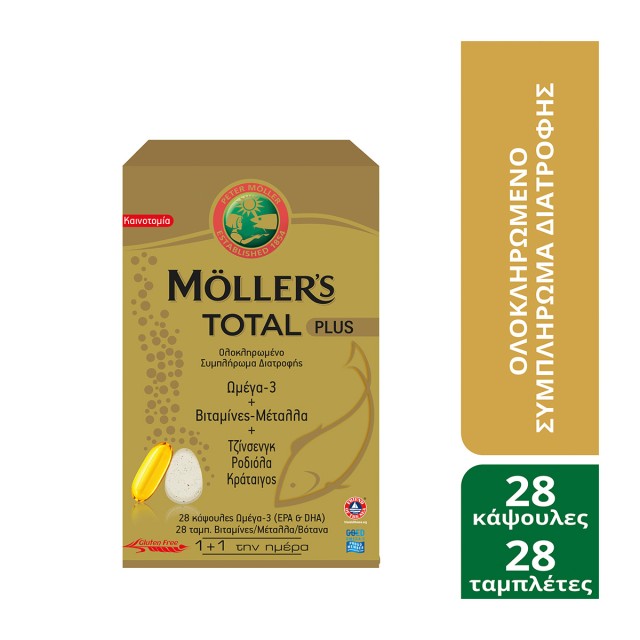
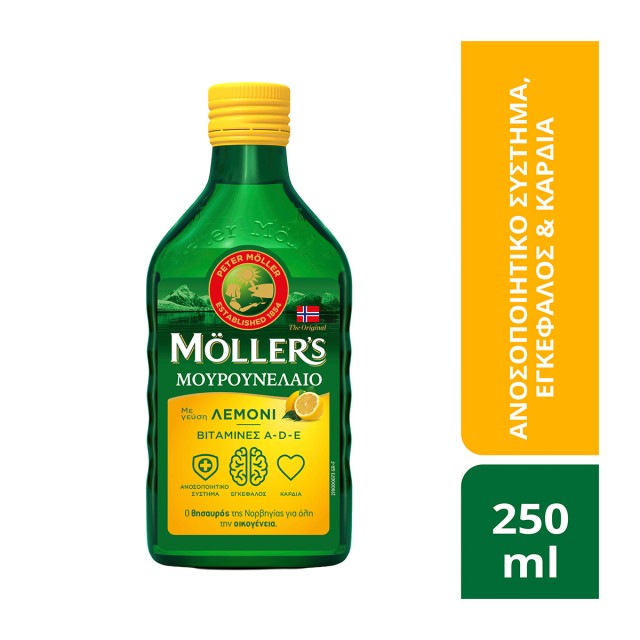
For people over 14 years of age, a daily intake of 1600 mg and 1100 mg of EPA and DHA is recommended for men and women respectively, with an increase to 1400 mg per day during pregnancy and 1300 mg during breastfeeding . In many cases, diet is not enough to meet these needs. Therefore, it is necessary to use a dietary supplement rich in omega-3 fatty acids to meet the daily requirements of the body. In particular, cod liver oil , while rich in omega-3 fats EPA and DHA, also contains significant amounts of vitamins A and D , so it is beneficial not only for the heart and brain but also for eye and bone health.
Supplements with omega-3 fatty acids:
krill oil: contains omega-3 fats from shellfish in the form of phospholipids which have better bioavailability, since they are immediately and completely absorbed by the body, because they have a similar structure to cell membranes. The oil contains astaxanthin, an antioxidant that offers additional protection against free radicals and protects omega-3 fats from oxidation.
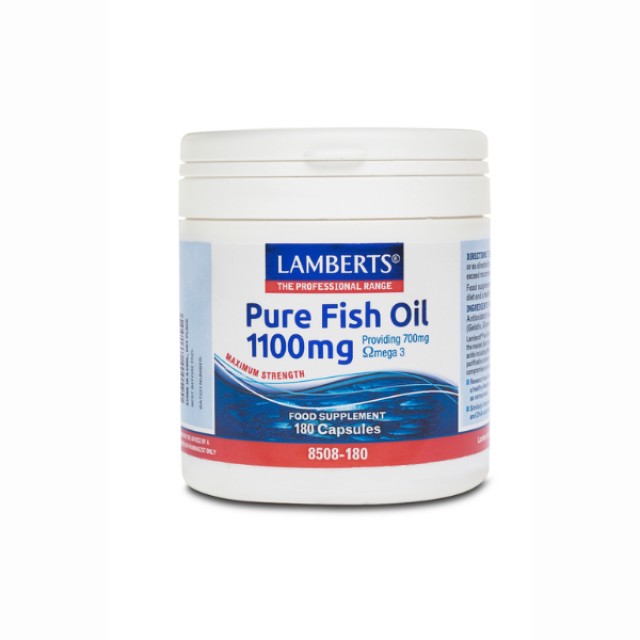
EPA and DHA fatty acids: They contribute to the maintenance of healthy heart function, while DHA additionally contributes to normal functioning of the brain and eyes. Some supplements have orange oil added to eliminate the fishy aftertaste and vitamin E to prevent oxidation of the fatty acids inside the capsule. They promote it smooth functioning of the heart and brain, control cholesterol levels and contribute to health and shine of skin.
Heals Tip : In case of an allergy to seafood and shellfish, we consult our doctor or pharmacist in order to take dietary supplements with omega-3 fatty acids.
Salmon oil: constitutes natural source of EPA and DHA fatty acids, which contribute to the structure of membranes and the health of the cardiovascular and circulatory system, as they keep low triglyceride and cholesterol levels. There are salmon oil supplements from salmon that live in pristine, pollution-free waters and contain vitamin E to prevent oxidation.
Omega-3 fatty acids are equally important for the development of children's eyes and brains, which must be consumed in sufficient quantity from a young age.

DHA is mainly responsible for the smooth development of the retina in children and the proper functioning of the central nervous system . Starting from pregnancy and continuing with breastfeeding and including omega-3 fatty acids in the diet, with foods such as fish, we ensure the smooth development of the brain and cognitive functions, the strengthening of heart function and the strengthening of the immune system that will protect the child from allergies at an early age.
Omega-3 in Jellies: Useful for the youngest ages. It is rich in high quality concentrated fish oil from anchovies and sardines and natural vitamin D, while they have a pleasant taste, unlike cod oil. The children over 3 years it is suggested that they consume 2 jelly beans a day to meet the daily needs of the body in omega-3 fats.
Chewable tablets with Ω3 Fatty Acids: They contain omega-3 fats EPA and DHA, vitamin A for maintaining the health of the skin and the immune system, vitamin D for the normal absorption of calcium and phosphorus and consequently the smooth development of bones and teeth and vitamin E for antioxidant protection.
Who can take omega-3?
Omega-3 fatty acids are generally safe for most people, however, there are some situations where their consumption should be approached with caution or avoided altogether.
People who should consult a health care professional before taking omega-3 supplements include:
- People receiving anticoagulants: Omega-3s may interact with anticoagulant medications, increasing the risk of bleeding.
- People with bleeding disorders: For the same reason, people with hemophilia or other bleeding disorders should be careful.
- People who are going to undergo surgery: Taking omega-3s may increase the risk of increased bleeding during and after surgery.
- People with shellfish allergy: People with a shellfish allergy may have an allergic reaction to omega-3 supplements derived from fish.
- Women who are pregnant or breastfeeding: Although omega-3s are important for fetal brain development, it is important to consult a doctor before taking supplements during pregnancy or breastfeeding.
Do they have side effects?
Omega-3 fats have been studied extensively and their contribution to human health is undeniable. A few mild side effects have been observed , such as an unpleasant taste, which can be eliminated with proper production techniques, bad breath, foul-smelling sweat, headache, and gastrointestinal symptoms such as heartburn, diarrhea, and nausea. Some studies have linked high levels of omega-3 fats to an increased risk of prostate cancer, while other studies have linked their consumption to protection against this type of cancer.
Conclusion
In conclusion, omega-3 fatty acids are one of the most important allies for heart health, mental function and strengthening our immune system. The combination of a balanced and comprehensive diet with the appropriate nutritional supplements is the right means to protect our health.