


Your cart is empty

heals editorial team, 12-01-2024
All authors
Sage: What are its miraculous properties?
The beneficial properties of herbs are known to all of us. When we are sick, at the end of a long day for relaxation or for any other use, herbs are the number one choice. One of the most popular is the sage, which has been widely used in traditional therapies around the world. In this article we will see what are its miraculous properties and how we can incorporate it into our lives.
Table of Contents
What should we know about sage?
Sage is an evergreen herb belonging to the family of the Salvia family. Its scientific name is Salvia officinalis and comes from the Latin "salvere", which means "to heal". Sage has been known since ancient times for its healing properties and is widely used in both traditional and modern medicine. It is also called " apple sage " and belongs to the mint family, like other herbs such as oregano, rosemary, basil and thyme.
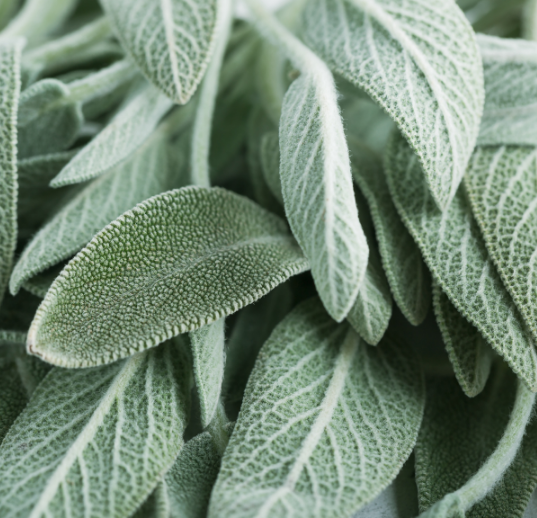
This herb is mentioned in texts from ancient Greece and Rome, where it was used to treat various ailments, such as pneumonia, cough , diarrhea, and dysentery. The Arabs used it to treat anxiety and depression, while the Chinese considered it the sacred plant of immortality.
Its nutritional value
Despite its low caloric value (just 28 calories per 100 grams), it is rich in nutrients. It contains significant amounts of vitamins A, C, E and K, as well as minerals such as magnesium, iron and zinc.
- Calories: 28
- Carbohydrates: 6,2 grams
- Protein: 3,2 grams
- Fat: 0,5 grams
- Fiber: 10,3 grams
- Vitamin A: 263 IU
- Vitamin C: 12,2 mg
- Vitamin E: 1,1 mg
- Vitamin K.: 245 mg
- Magnesium: 25 mg
- Zinc: 0,5 mg
- Copper: 0,2 mg
- Iron: 0,6 mg
What are its properties?
Sage is an herb with rich therapeutic properties. It contains a variety of phytochemical compounds, such as rosmarinic acid, flavonoids and vitamins, which give it the following properties:
2) Anti-inflammatory properties: Sage also has anti-inflammatory properties, which can help relieve inflammation associated with diseases such as arthritis and inflammatory bowel disease.
3) Antiseptic: Sage fights them fungi and bacteria. Studies have shown it to be effective against a variety of bacteria, including Staphylococcus aureus, Escherichia coli, Pseudomonas aeruginosa, and Streptococcus pneumoniae. It is also effective against certain fungi, such as Candida albicans.
4) Oral health: Sage is a powerful antimicrobial, which can help fight the bacteria and fungi that cause tooth decay, gingivitis and other oral diseases. It also relieves pain and inflammation of the gums.
5) Menopause: Sage is used as a dietary supplement to treat various conditions, including menopause. It has been shown to help reduce hot flashes and night sweats, two of the most common symptoms of menopause. This is believed to be due to its estrogenic properties. Estrogens are hormones that play an important role in regulating body temperature.
6) Cognitive functions and Memory: Sage has been proven to help improve memory because it has antioxidant properties. Antioxidants help protect brain cells from damage caused by free radicals. It also increases the levels of acetylcholine in the brain. Acetylcholine is a neurotransmitter that plays an important role in memory and learning.
7) Sugar Regulation: Sage is believed to help regulate blood sugar in several ways. It can increase insulin sensitivity, block carbohydrate digestion, and increase glucose production in the liver.
Sage for hair and skin
Sage doesn't just benefit the body internally. It is widely used to combat dandruff, strengthen brittle hair, and reduce hair loss. You can use its decoction for shampooing or massage sage oil into your scalp.
Sage for Breasts and Menopause
One of its most well-known uses is in women's health. Due to its estrogenic properties, sage acts as a natural supplement for relieving menopausal symptoms, such as hot flashes and night sweats. This action makes it valuable for regulating hormonal changes that affect the female body.
Sage and sleep
Historically, Arabs used sage to treat anxiety and depression. Since stress is a major factor in difficulty sleeping, its calming effect on the psyche can indirectly help calm the body. Sage is effective in reducing night sweats and hot flashes, two symptoms that often disrupt women's sleep during menopause.
How can we use it?
Sage can be used in a number of ways, including:
- As a decoction: Sage can be boiled to make a decoction that can be consumed to benefit from its healing properties. To make a sage decoction, add 1 tablespoon of dried sage to a pot of boiling water and let it boil for 5 minutes. Then, let it cool for a few minutes and strain it.
- As an oil: Sage oil can be used for aromatherapy or for topical application.
- As an extract: Sage extract can be added to food, drinks, candies or used to make cosmetics.
Does it have side effects?
Sage is generally safe to use, but consuming too much can cause side effects. The most common side effects of sage include:
- Nervous stimulation: Sage has stimulant properties and excessive consumption can cause nervousness, dizziness, headache and insomnia.
- Drug interactions: Sage may interact with certain medications, such as anticoagulants, blood pressure control medications, and medications to treat depression.
- Other side effects: In rare cases, excessive consumption of sage can cause gastrointestinal disorders, such as motion sickness, puke and diarrhea.
Conclusion
Sage is an impressive herb with multiple properties. From its beneficial effect on the digestive system to enhancing women's health, sage emerges as a comprehensive and beneficial plant that can contribute to improving our overall well-being. Before starting any therapeutic use, it is always recommended to consult a specialist in order to evaluate its safe and effective use.
heals suggests:


Frequently Asked Questions about Sage
Sage side effects
Sage is generally considered safe when consumed in normal amounts, such as a drink. Excessive use may cause side effects due to thujone, such as dizziness or tachycardia. People with certain medical conditions or during pregnancy should consult a doctor.
Sage tea
Sage tea is made from dried leaves and is popular for its soothing and antioxidant properties. It is often consumed for throat, digestion, and general well-being.
Sage and diseases
Sage is traditionally used to relieve symptoms such as sore throats, coughs, and digestive disorders. It is not a cure for disease, but it can be helpful due to its antioxidant and antimicrobial properties.
Sage and sleep
Sage may have a mild relaxing effect, helping with tension or stress, but it is not a strong hypnotic. In some people, it may indirectly contribute to better sleep quality.
Sage properties on the chest
Sage is traditionally used to relieve respiratory symptoms, such as cough or chest congestion, thanks to its anti-inflammatory and antiseptic properties.
Does sage raise blood pressure?
There is no strong evidence that sage raises blood pressure when consumed in normal amounts. However, excessive use or concentrated extracts may affect the body, so moderation is recommended.
